Why sourdough
Slow bread. Better mornings.
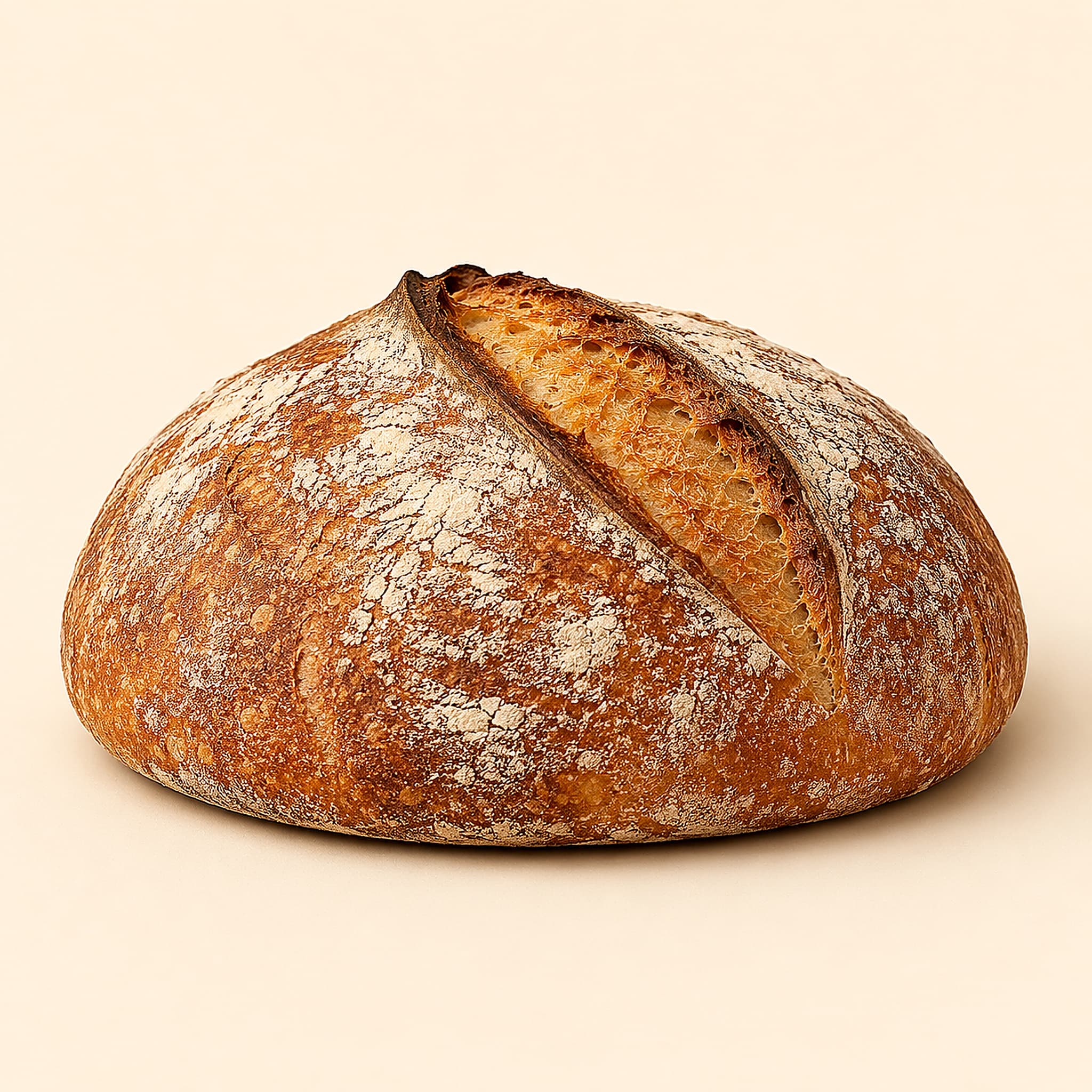
Sourdough is raised by a living starter instead of commercial yeast. It needs about a day, and that time builds deeper flavour, a crackly crust and an open, chewy crumb, from just flour, water and salt.
 Tear, share,
repeat.Illustrative bakery moment · AI-created imagery
What’s inside
Four ingredients.
Nothing hiding.
Our country loaf starts here. Other bakes bring their own additions; check each product page for the ingredients and allergens we’ve published for it.
- FlourWheat flour gives the loaf its structure and nutty, toasty flavour.
- WaterA generous amount, for a moist, open crumb that stays tender.
- SaltFor flavour and strength, and it keeps fermentation steady.
- StarterA living culture of wild yeast and bacteria that raises the dough.
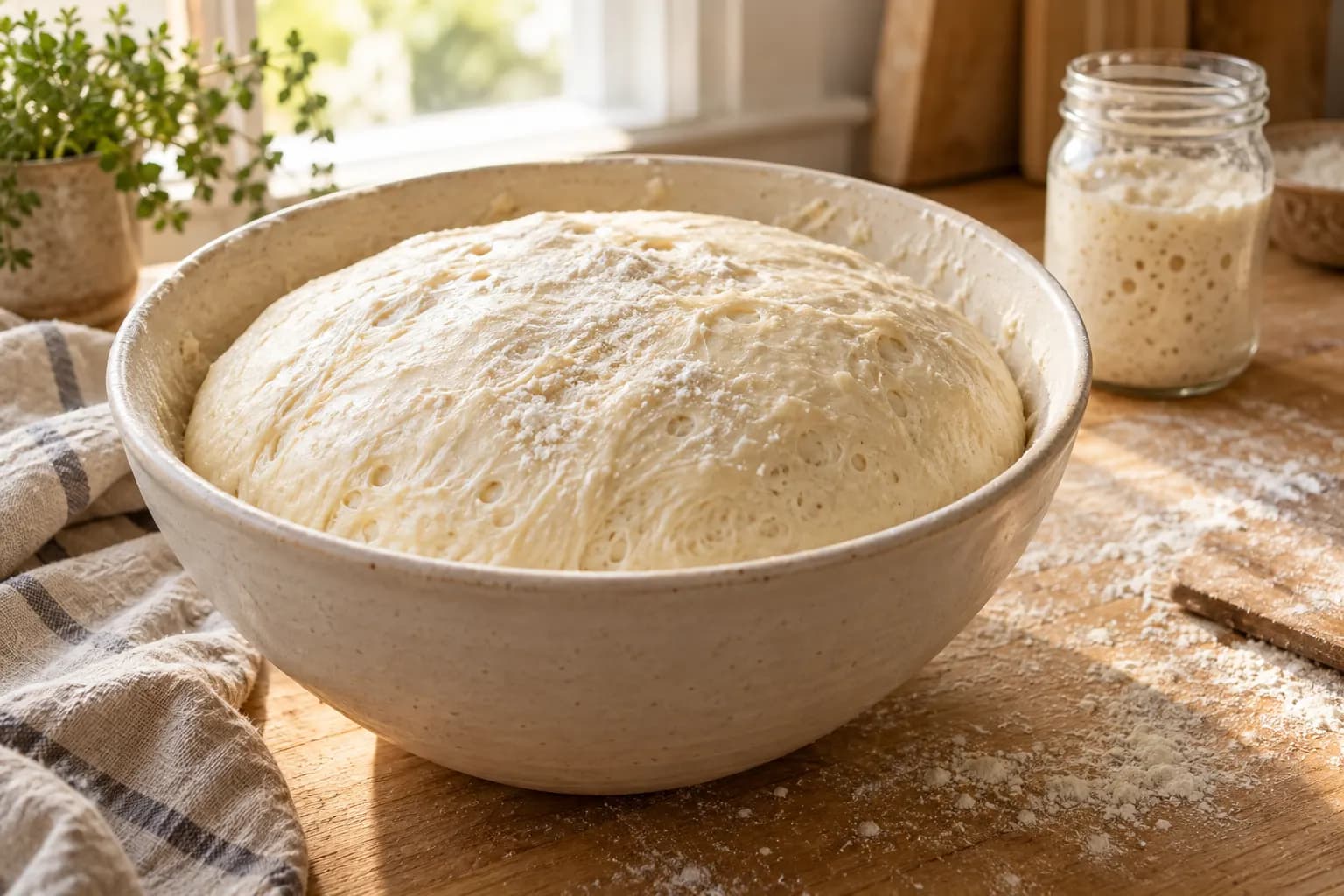 Illustrative image · actual bake may vary
Side by side
Quick loaf or
long-fermented sourdough?
| Quality | Typical quick loaf | BakeyWakey sourdough |
|---|---|---|
| What makes it rise | Commercial yeast | A living starter of wild yeast and bacteria |
| Time to make | Often 2–3 hours | About a day, including a cold overnight rest |
| Ingredients | Frequently includes improvers, sugar or preservatives | Flour, water, salt and starter |
| Flavour | Mild and one-note | Gently tangy, nutty and toasty |
| Crust & crumb | Soft crust, even crumb | Crackly crust, open and glossy crumb |
| Keeping | Soft, then stale | Good for 2–3 days, then brilliant toasted |
Illustrative image · actual bake may varyWhat fermentation actually does
Time is the
secret ingredient.
- Flavour
- As the culture ferments, it produces gentle acids and aromas. The long ferment gives sourdough its mild tang and depth.
- Texture
- Slow gas production and gentle folds build a strong, stretchy dough that holds big, irregular air pockets.
- Crust
- A cold overnight rest and a hot, steamy bake create a blistered crust that caramelises to deep gold.
- Breakdown
- Over many hours, the culture breaks down part of the flour’s starches and phytic acid. Some people find long-fermented bread sits more comfortably. Everyone is different, and this isn’t medical advice.
Make the most of your loaf
Day one to
last crumb.
- Day 1
Just as it is
Let it cool fully, then tear or slice thick. Salted butter is non-negotiable.
- Day 2–3
Toast it
Keep it cut-side down on a board or in a cloth bag. A quick toast brings the crust right back.
- After that
Freeze in slices
Slice, freeze, then toast straight from frozen. Skip the fridge; it dries bread out faster.
Honest answers
Sourdough
questions.
Where we’ve published ingredients and allergens, you’ll find them on that product’s page. For orders and collection, see the ordering & pickup FAQ.
What makes bread sourdough?
Sourdough is raised by a starter — a living culture of wild yeast and lactic acid bacteria — instead of commercial yeast. The culture needs many hours, which is what gives sourdough its flavour and texture.
Does sourdough taste sour?
Ours is gently tangy rather than sour. A long, cool ferment builds a rounder, slightly nutty flavour, and the dark crust adds caramel notes.
Is sourdough gluten-free?
No. Our sourdough is made with wheat flour and contains gluten. It is not suitable for people with coeliac disease or a wheat allergy. Allergen details are on every product page.
Is sourdough easier to digest?
Some people find long-fermented bread sits more comfortably with them. During fermentation, the culture breaks down part of the flour’s starches and phytic acid. Effects differ from person to person, and this isn’t medical advice.
How should I store a sourdough loaf?
Keep it cut-side down on a board or in a cloth bag for two to three days. After that, slice and freeze it, then toast slices straight from frozen. Avoid the fridge, which dries bread out faster.
Reserve your loaf
Taste the difference
for yourself.
The next bake date hasn’t been announced yet. Explore the menu now and reserve as soon as the next drop opens.